Want to find someone special on a dating app?


How do you prefer to connect?
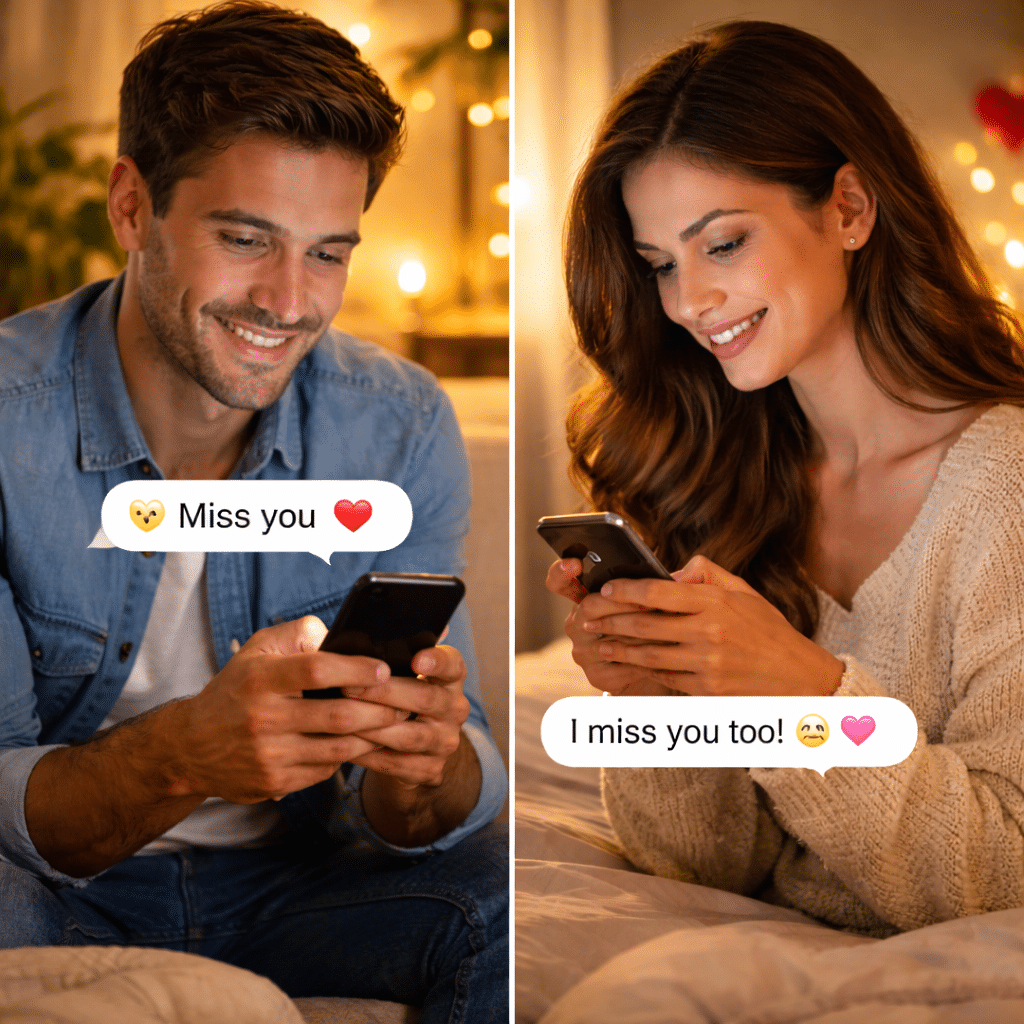

Dating apps like Tinder, Bumble, and OkCupid have changed Valentine’s Day for Americans. These platforms mix the thrill of new connections with the search for a special someone. Now, technology and love come together, starting conversations and plans.
Research shows that many adults in the U.S. use dating apps, and this affects how they celebrate holidays. Valentine’s Day has evolved from a simple holiday to an event where dating app profiles and activities guide what people do and expect.
We will explore how dating apps have redefined romance. We’ll discuss how culture, app evolution, and user interaction shape Valentine’s Day. We’ll also examine app features that influence holiday activities, and the impact on singles and couples. Readers will get tips for making the most of Valentine’s Day.
The focus is on the U.S. market and is friendly. If you’re single, in a new relationship, or in the dating business, you’ll learn how online dating and Valentine’s Day apps are transforming love.
Key Takeaways
- Dating apps have made Valentine’s Day more visible and data-driven for singles and couples.
- Profiles and prompts now play a direct role in setting holiday expectations.
- Platform features—from algorithmic matches to seasonal promotions—shape where and how people celebrate.
- Understanding online dating trends helps manage pressure and plan realistic Valentine’s Day dates.
- Technology and romance can expand opportunities while also introducing new emotional challenges.
How Dating Apps Are Shaping Modern Valentine’s Day Romance
Dating apps have changed what Valentine’s Day means today. They show us how technology changes the way we like, date, and celebrate. Stories in The New York Times and The Atlantic highlight these changes every February. They point out how the holiday is now a time to observe social shifts.
The phrase as a cultural lens
Journalists and researchers see Valentine’s Day differently because of dating apps. They talk about how swipes and profiles have changed dating rules. This view explains how actions on apps like Tinder and Bumble shape what we expect from relationships.
Why this topic matters for modern couples
Couples today have to make decisions about dates and what they mean. They wonder if a first date on Valentine’s Day is okay or when to talk about being exclusive. These questions show why dating apps are key in figuring out relationships and social cues.
The age of the people involved changes the answers. Young people usually date first on apps, while older people use both in-person and online ways. The visibility of dating apps adds pressure on how partners plan their Valentine’s Day.
How the Valentine’s Day experience has shifted in recent years
There’s been a big change in how we celebrate. Dating apps see more use as Valentine’s Day approaches. They offer special promotions and features for the holiday, promoting dates and gift-giving.
Online dates and video chats help long-distance couples celebrate together. Also, finding a serious partner through an app is now normal. This changes our expectations of where love stories start.
The evolution of dating apps and their impact on relationship expectations
Online matchmaking has transformed how we find love. Early sites like Match.com and eHarmony introduced detailed profiles and compatibility quizzes. Then, Tinder made finding dates faster with just a swipe. Later, Hinge and Bumble focused on making users think more about their profiles. These changes made app dating popular everywhere.
From niche platforms to mainstream dating tools
Dating apps started for specific needs but are now used by everyone. Research shows their use is growing among all ages. Many people now meet their partners on apps, not just at bars or through friends. These apps have become a big part of our social lives.
Shifts in expectations: immediacy, choice, and curated personas
Today, dating apps offer endless choices and fast connections. Users expect quick answers and immediate attraction. This makes people think there’s always someone better out there.
Apps encourage users to show the best parts of themselves. This can help make a good first impression. But it might hide the real person behind the profile.
Effects on commitment timelines and courtship rituals
Apps can make relationships move faster. For some, this means becoming exclusive sooner. They might even meet each other’s families early on.
But for others, the many choices make them slow to commit. This changes how dates and meetings with families happen. It shows how much dating has changed because of apps.
How profiles and bios influence Valentine’s Day plans
Profiles start shaping expectations before you even receive a message. A clear intro helps spot clues in dating profiles about Valentine’s Day plans. It shows if someone is open to celebrating the holiday, guiding who messages first and the conversation that follows.
Profile cues that signal romantic intent
Look for direct signs of seeking a relationship in their words. Things like romance mentions, “ideal date” ideas, or signals they’re serious about finding someone can show they’re interested. Platforms like Hinge and Bumble use questions and filters to highlight these intentions.
Using bios and prompts to set expectations for Valentine’s Day
Your bio and responses can express your wishes clearly, avoiding awkward conversations. Mentioning your interest in a quiet dinner, a movie at home, or skipping big events sets the right expectations. This way, bios can prevent misunderstandings and ensure you’re on the same page.
It’s also smart to be clear about what you’re comfortable with, especially considering pandemic conditions or public outings. Setting these boundaries reduces chances of confusion and ghosting as Valentine’s Day approaches, making plans easier to arrange.
Photo selection and the visual framing of romantic possibilities
Photos are key when others are checking you out for date potential. Choose pictures showing warmth and friendly activities, like cooking together or hiking, to indicate you’re a good match.
Stay away from confusing group photos around Valentine’s. Seasonal shots, like wearing cozy clothes or pictures of candlelit dinners, hint at your interest in celebrating. Mixing some close-ups with photos of you doing fun activities shows you’re open and share interests.
- Tip: Make sure your photos and bio give the same romantic vibes for consistency.
- Tip: Refresh your profile with holiday-themed photos a few weeks before February to show you’re available for plans.
Communication patterns driven by apps and their Valentine’s Day implications
Dating apps change the way we chat and make plans as Valentine’s Day gets close. Quick swipes can turn into long conversations. Some apps keep chats inside, while others encourage texting or calling. Around holidays, people tend to reach out more and reply faster.
Messaging culture: from swiping to sustained conversation
Matches expect meaningful conversations before meeting up. On apps like Tinder or Hinge, users may exchange a few messages, then switch to phone or video calls. This helps build trust. Apps with call features see more thoughtful talks, setting clear boundaries.
During holidays, there’s a surge in messages. People use themed pick-up lines and make plans early. This quickens decision-making and shows if expectations don’t match.
Flirting, ghosting, and breadcrumbing around the holiday
Valentine’s Day ups the efforts to connect but also the risk of being ghosted. Breadcrumbing is keeping someone interested with minimal effort. Ghosting is when someone suddenly stops all contact.
Look out for unclear promises, slow replies, or cancellations. To avoid confusion, ask about plans directly. If ghosted, move on without hard feelings.
Planning dates via apps: logistics, etiquette, and timing
There are rules for setting up a Valentine’s date through an app. Start planning a week ahead. Agree on the place, time, and what you both expect to avoid surprises.
- Discuss the nature of the meetup to ensure your plans match.
- Confirm date details in the app and share how you’re getting there.
- Always prioritize safety: meet in public, inform a friend, and maybe share your location.
When saying no to a date, be kind and direct. Steer clear of last-minute decisions and offer another option if you’re still interested. Open communication makes dating app culture productive and straight-forward.
Dating app features that shape holiday behavior
Dating apps adjust their features for holidays like Valentine’s Day. Small changes in the user experience can encourage users to go from talking online to meeting up. Here’s how some apps get people to meet during Valentine’s Day.
Match algorithms and curated suggestions for seasonal events
Apps such as Tinder and Bumble help you find matches for holiday events. They use your location and special event algorithms to suggest matches interested in Valentine’s activities. This makes it easier to meet people who want to celebrate the day.
In-app promotions, virtual gifts, and Valentine’s campaigns
For Valentine’s Day, apps have special offers like themed badges and stickers. They let users send virtual gifts to show interest in someone. Features like paid boosts help your profile get noticed, encouraging holiday dates and helping the app make money.
Safety tools and verification that affect in-person meetups
Date safety is important, so apps offer features like photo verification. This helps build trust for first dates. With safety verifications, users feel safer accepting Valentine’s Day dates. Check-in tools let friends know when you arrive safely.
- Event tagging: highlights users planning to attend local Valentine’s activities.
- Boosts and badges: increase profile visibility near the holiday.
- Verified profiles: reduce uncertainty ahead of in-person dates.
Social and emotional consequences for singles and couples
Online dating shifts feelings about Valentine’s Day. Romance on display and perfect match stories can be overwhelming. This makes it tough for singles and couples to feel like they measure up.
Pressure and comparison driven by online visibility
Seeing others’ Valentine’s posts adds pressure. Elaborate dates and idealized moments from brands make comparison easy. This drives us to pursue unrealistic ideals instead of what truly makes us happy.
Positive outcomes: increased opportunities and compatible matches
Comparing dating apps thoughtfully has perks. Tinder, Hinge, and Bumble boost your chances to meet a good match. OkCupid and eHarmony are great for finding people with the same values.
Dating apps lead to happy outcomes. They offer more local options, long-distance connections, and better introductions. Many couples celebrate their first Valentine’s thanks to an app.
Mental health considerations: anxiety, rejection, and resilience
Discussing mental health and dating apps is key. Anxiety spikes from rejections or slow chats can hurt. Those feelings often stick around without support or peaceful routines.
To build resilience, try a few steps. Use apps less around Valentine’s, be clear with your matches, and seek support from friends or therapy. Being kind to yourself and seeing online dating as just one way to meet people helps.
Enhancing emotional safety is straightforward. Disable notifications, use apps with good safety features, and make plans that align with your values. These steps lower stress while keeping open to real connections.
Conclusion
Valentine’s Day is different now because of dating apps. They change where we meet and how we act before we see each other. They use algorithms and seasonal ads to guide us. This shows the good and bad of being online for love.
To do well on dating apps in the U.S.: say what you expect clearly in your profile and texts. Use safety features on apps like Tinder, Hinge, and Bumble. Plan your dates early to keep stress away. Don’t compare your life to what you see online. Put feeling good above looking good online. These tips help make your holiday smooth and purposeful.
The future of online dating looks exciting. We might see more help from AI in finding matches, better ways to date online, and safer ways to show who we are. These changes could make Valentine’s Day more personal and secure. They might also change how we start and build relationships.
This Valentine’s Day, use dating apps with a clear goal. Whether you want a serious date, a fun night, or to get better at talking, be clear and mindful. With the right approach, online tools can make romance better without making it too much.