What eye color do you prefer?




What type of relationship do you prefer?


Modern dating apps offer more than just swipes and matches. They combine practical help with emotional support. This piece looks at those benefits, showing how they help people in the U.S. find love and build lasting bonds.
Dating platforms like Tinder, Bumble, and Hinge have changed how we meet. Others like JSwipe and Christian Mingle focus on specific wants, like faith or community. We will explore the unique perks of these apps.
This article will provide useful tips and facts. You’ll get a detailed guide on app features, social changes, and success stories. It will explain the biggest benefits of online dating and how to use them to find love or enhance your dating experiences.
Key Takeaways
- Dating apps expand options and let singles meet more people efficiently.
- Different platforms offer unique benefits of dating apps, from casual to long-term matchmaking.
- Mobile-first design and tools make dating more convenient and accessible.
- Smart features and filters help users focus on aligned values and goals.
- Safety and privacy controls are increasingly important for online dating advantages.
Uncover the advantages of modern dating apps
Modern dating apps offer clear, useful perks. These include convenience, more choices, matches that fit your preferences, better safety, low-cost options, and community features. This isn’t just excitement. It’s real changes making it easier for people to meet, check, and decide.
Dating app culture has changed how relationships start. According to Pew Research, more people accept finding love online. Profiles and photos let users quickly decide before even talking. This makes first meetings and early talks different.
As apps become normal, dating rules are changing. People are waiting longer to get married. Now, many start their relationships online. Apps help people talk openly from the start. This means less guessing about what someone wants.
Why dating apps are helpful varies by where you live and your life stage. City folks see bigger crowds. People in rural areas find dates they wouldn’t otherwise meet. Most users are young adults, which influences who’s available and how fast things move.
The bottom line is this: you save time, meet safely, and have more options. Working people can look for dates between tasks. Students find people to meet between classes. And parents can find potential partners who share important values before taking the next step. This shows why dating apps are important for all kinds of singles.
How convenience and accessibility improve dating
Dating apps close the gap between meeting someone and reaching out. They offer the ease of dating by making profiles, photos, and chat tools easy to access.
Dating anytime, anywhere: mobile-first benefits
The way we date was reshaped by mobile design. Apps like Tinder and Bumble introduced us to quick swiping. Notifications alert users about new likes or messages. Geolocation suggests people nearby, letting you match on the go.
Streamlining introductions: less effort, more matches
Quick-matching and mutual opt-in features avoid awkward first moves. Mutual friends and profile prompts help spark the first conversation. These features make it easier to turn encounters into chats.
Accessibility features and inclusivity for diverse users
Dating apps now have settings for better accessibility, like text enlargement and screen-reader support. Hinge and OkCupid offer varied gender identities and pronouns. This means everyone can date with confidence.
Personalization through smart matching algorithms
Many dating experiences today are powered by smart systems. These systems sort potential matches based on certain signals. It’s important for users to understand these signals and how they evolve with machine learning.
How algorithms prioritize compatibility signals
First, dating algorithms consider explicit preferences like age, distance, and dealbreakers. Then, they look at profile elements like photos and bios. Match Group and other services use questions to help fine-tune matches.
Next, your behavior helps refine the match rankings. Things like how you swipe, respond to messages, and view profiles matter. These signals make it more likely to find profiles you’ll engage with.
The role of preferences, behavior, and machine learning
Machine learning uses a lot of data to predict successful matches. Design elements from Hinge or OkCupid feed these predictions.
A/B testing helps dating apps find what works best. Over time, this leads to better matches based on user feedback and behavior.
Pros and cons of algorithm-driven matches
The benefits include better matches and saving time. Personalized matches can lead to more meaningful chats.
But, there are downsides like less diversity and possible biases. Relying too much on data might overlook real-life chemistry.
Being able to tweak settings or understand match suggestions can help users feel more in control. This builds trust in the matchmaking process.
Expanded dating pools and greater diversity
Modern apps have pushed past the limited scenes of neighborhood bars and campus events. They open up a world of people we wouldn’t meet otherwise. This leads to a wider dating pool, adding variety and new viewpoints to our lives.

Features like Tinder Passport and Bumble’s Travel feature let singles meet beyond their city limits. These options are perfect for travelers, people new to a city, or anyone looking to date outside their usual social circles. It makes the world a bit smaller and more connected.
Getting to know people from various cultures and careers can spice up conversations. This is especially true in college towns and big cities, where apps bring together diverse individuals. Everyone benefits from this mix of backgrounds and experiences.
Niche platforms make finding people with similar values or lifestyles easier. Whether it’s JDate for Jewish singles, FarmersOnly for the countryside lovers, or The League for professionals. These specialized sites cut through the noise for those looking for specific types of partners.
Apps designed for long-distance relationships can keep the spark alive across miles. With messaging and video calls, couples can stay in touch easily. They make it simpler to plan visits and eventually move closer together.
Here’s a straightforward comparison to illustrate how these features translate into benefits. It shows the impact on daters with various needs.
Safety features and privacy controls
Dating apps now have more safety features, making users feel more secure. On platforms like Bumble and Tinder, there are profile verifications and photo checks. These steps help decrease fake profiles, showing that safety is a key concern for singles.
Verification, photo checks, and identity measures
Apps compare selfies to profile pictures to ensure the account is real. Some even verify IDs, matching documents to user pictures. A blue-check badge means verification is complete. This helps reduce scams and makes users trust each other more.
Privacy settings and control over personal data
Users can control who sees their profile and can hide their location. They can also choose not to share their workplace or last name. These features help keep user data private. The apps’ privacy policies and statements about data show how they protect information. Laws like GDPR and CCPA make sure there’s transparency, even for users in the U.S.
In-app reporting and safety resources for users
Apps offer clear ways to report unsafe dating experiences quickly. Users can send screenshots and message logs, and block users all in one spot. They have teams that review reports, offer links to helplines, and work with groups like RAINN. Safety features also include emergency call buttons and location sharing to keep users safe during in-person dates.
Time-saving communication tools
Modern apps reduce the need for endless back-and-forth messaging. They have built-in features that make it easier to go from matching to meeting in person. With these tools, people can quickly see if there’s a spark and arrange face-to-face meetings with less hassle.
Built-in messaging, voice notes, and video calls
Today’s platforms include chat, photo sharing, and WhatsApp-style voice notes. These features allow for easy tone and interest checks before meeting up. During the pandemic, many apps added video calling. This helped singles feel safe and confident in their matches before meeting in person.
Icebreakers, prompts, and profile questions to start conversations
Prompts and questions make it easier to start deep conversations right away. Tools like Hinge prompts, Bumble questions, and OkCupid prompts help reduce awkwardness. Plus, automated icebreakers offer fun topics or challenges for those unsure of what to say first. This leads to higher response rates and more meaningful chats.
Scheduling tools and calendar integrations for dates
Apps now offer features to help turn chats into real-life dates. Users can propose times, link their calendars, or pick places to meet. This makes planning easier, especially for busy people. Plus, many apps suggest meeting in public places for added safety when arranging dates online.
Affordability and tiered subscription benefits
Many singles don’t have to spend a dime to make real connections. Apps like Tinder, Bumble, and Hinge offer free services. You can make a profile, swipe, like, and send basic messages. These essential tools help meet new people and set up dates without big costs.
Free features that still enable real connections
Setting up a profile, uploading photos, and chatting are free on most platforms. These features let users explore the dating scene and understand how the apps function. It’s wise to start with the free version to check if it meets your needs for matches and conversations.
Paid tiers: boosts, visibility, and advanced filters
Paying for a subscription offers extra benefits like unlimited likes and the ability to rewind. Services such as Tinder Plus and Gold, Bumble Premium, and Hinge Preferred provide profile boosts and other advantages. Prices change based on location and sometimes age. It’s smart to look at the prices of local apps before deciding.
Balancing cost with expected outcomes
Think about subscribing after considering the local user base, your available time, and useful premium features. Start with free options and use any special offers. Spend money on features that improve your chances when active. This method helps balance costs and actual benefits.
Opportunities for intentional dating and filtering
Dating sites and apps are now easier to use with specific goals in mind. They allow you to find matches based on things like beliefs, daily habits, and what you want in the future. This way, you spend your time on people who are more likely to be a good match.
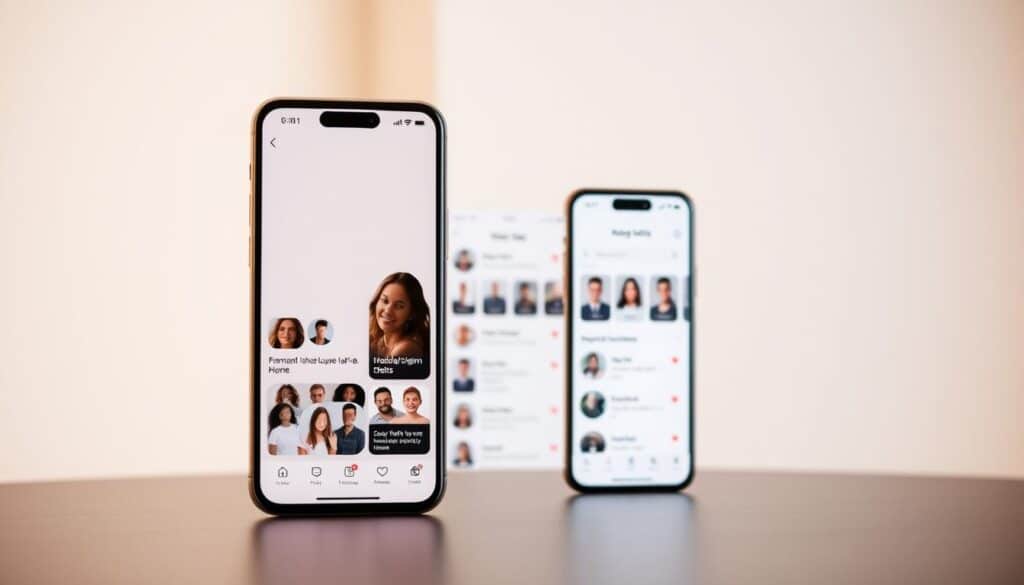
Use filters to steer clear of bad matches right from the start. You can filter potential dates by their religion, political views, education level, and habits like smoking or drinking. You can also filter by whether they want kids. This helps you focus on meeting people who share your lifestyle.
Having clear profiles helps bring the right individuals to you. On dating apps like Hinge, you can use prompts to share your dealbreakers, interests, and how you like to communicate. When you answer these well, you draw in people who are a good fit and save time by avoiding those who aren’t.
It’s good to be upfront about what you’re looking for. Whether you want something casual, a serious relationship, or are open to seeing where things go, stating it clearly helps. Many apps offer a way to showcase this, making it easier to find others who want the same thing.
Here’s a brief overview of features that help with finding the right match. They improve your chances when you choose wisely and make your profile reflective of your needs.
Tools for long-distance and hybrid relationships
Love from afar needs more than hope. Apps today come packed to help partners stay close. They let you share moments, make plans, and ease the distance.
Maintaining connection with messaging and video features
Messages, voice clips, and videos spark fun talks. Apps like Tinder and Bumble offer video calls. This means couples can see each other without switching apps. Spotify and Google Docs let you enjoy things together, even when apart.
Schedule video dates for routine. Have a movie night or dinner over a call. Tools with games and great streaming make these dates special.
Transitioning from app conversation to in-person visits
Move slowly: start with texts, then video chats, then calls. Later, try short meetups before longer visits. Tinder Passport helps peek at local spots before going. This helps plan your timing.
Sort out the details early. Pick where to meet, how to travel, and plan for safety. Always meet in public first and tell a friend about it. Taking it step by step builds trust.
Managing expectations and logistics across distances
Discuss time zones, meeting up, and how you’ll talk simply. Set clear times for texts and calls, especially during busy times. Clear talks keep small issues from getting big.
Decide on money matters and travel plans together. Talk about who pays for flights and how to split other costs. Use budget apps and calendars to keep plans clear.
In the end, talk about big decisions like moving. Knowing each other’s limits and goals helps. Using apps and tools for long-distance love keeps the spark alive till you meet again.
How dating apps support niche communities and interests
Dating apps now cater to unique groups and interests, beyond just swipes. They help users find matches that share their cultural backgrounds, hobbies, or life goals. This environment makes it easier and more meaningful to start conversations.
Apps built for specific faiths, orientations, and lifestyles
Platforms like JDate, Christian Mingle, Muslim Matrimony, HER, and Grindr cater to specific faiths and orientations. They offer profiles and features that respect users’ customs and safety. This lets people share their beliefs right away, improving matches and building trust quickly.
Interest-based matching: hobbies, professions, and values
Matching based on interests brings people together over common activities or careers. Users can filter matches by their hobbies, music tastes, or jobs. This leads to better conversations. Tags related to alumni groups or industries help turn profiles into conversation starters.
Community features like events, groups, and forums
Dating apps now offer more than just chats. They include features like events, groups, and forums. For example, Bumble BFF meetups and event calendars promote group activities. These settings allow people to meet in a relaxed way, fostering friendships that may become deeper relationships.
User success stories, data, and research insights
Apps and websites have transformed dating into something we study and share stories about. We learn from statistics, personal stories, and studies how people come together and build their lives. Each piece combines data with real human experiences.
Statistics on relationships and marriages started online
A report by Pew Research Center shows more adults meet their partners online. Nearly one in five couples, they say. Surveys find this trend across all age groups. Stats show young people meet through apps while older groups are also joining in. Different apps have different success rates, depending on age and what people are looking for.
Anecdotal success stories highlighting different paths
Stories from The New York Times and The Atlantic share journeys of various users. Young daters share tales of casual beginnings turning serious. People in their 30s and 40s use specific filters to find lasting partners. Stories from faith-based apps and long-distance relationships show how online chat turns into marriage. Success pages on Match and eHarmony are full of such love stories.
Research on outcomes, satisfaction, and long-term effects
Academic research looks into how satisfied people are in their relationships and the likelihood of breaking up. Studies suggest meeting online leads to more diverse pairs. They also discuss how having too many choices can overwhelm users, affecting commitment. Research shows a person’s social and economic background plays a role in their success on these platforms. Context and matching algorithms matter more than just the platform itself.
Remember, numbers and stories matter. They show us the big picture and the unique journeys. Research helps us understand trends in dating apps, celebrating personal stories along the way.
Conclusion
Dating apps today offer many benefits for singles looking for more control and ease in dating. They provide smart matches, larger dating pools, and tools for safety like verification and reporting. Features like messaging, video calls, and different price options make connecting affordable. Also, special platforms cater to unique communities and interests.
When choosing a dating app, pick one that fits what you’re looking for. Use Match or eHarmony for finding a long-term relationship. Try Bumble or Hinge for meaningful talks, and Grindr or HER for LGBTQ+ communities. Make your profile stand out with good prompts, clear goals, and recent pictures. Always use the safety features in the app, trust your gut, and combine the app’s suggestions with your own feelings.
In conclusion about digital dating, it’s important to see how these apps reduce hassle and give more choices. However, remember they are just tools, not magic solutions. Use them with purpose, care for your well-being, and remember to set boundaries. If used smartly, they can improve your social life and help you find valuable connections all over the country.
FAQ
What does it mean to “uncover the advantages of modern dating apps”?
Exploring modern dating apps means understanding their benefits beyond what we often hear. It’s about seeing the good things they offer, like making dating easier and safer. We dig into how Tinder, Bumble, and others can really change the dating game.
How have dating apps reshaped norms and expectations?
Dating apps have made meeting online normal and helped people connect faster. They’ve led to changes like marrying later and more online relationships. Their features make starting a convo easier, and now meeting online is pretty standard.
Why should singles in the United States care about these advantages?
Dating apps are great for people who are busy, moving around, or looking for specific things. They save time, offer more choices, and make first meetings safer. Plus, they help both city and countryside folks find more potential partners.
How does mobile-first design improve dating convenience?
Features like notifications, location-based matches, and easy swiping make dating fit into your daily life. You can check your app while on the train or grabbing coffee. This keeps your dating life active without needing big changes to your schedule.
In what ways do apps streamline introductions?
Dating apps make it easier to meet new people without awkwardness. With likes, matches, and interesting prompts, starting a chat is more natural. This helps move things from a match to a message quicker.
Are dating apps accessible and inclusive for diverse users?
Yes, many apps now support different gender and orientation options. They offer features like large text or layouts for screen readers. This makes dating apps welcoming for everyone, especially on platforms like Hinge and OkCupid.
How do algorithms decide compatible matches?
Matchmaking algorithms look at your preferences, profile details, and how you use the app. Companies like Match Group use this info to show you profiles you might like. This helps you find more meaningful connections.
What role does machine learning play in matching?
Machine learning helps dating apps get better at matching over time. By learning what you like, they can show more suitable profiles. Apps like Hinge use your responses to improve match suggestions.
What are the pros and cons of algorithm-driven matching?
The good sides are better matches and less time wasted. The downsides include getting stuck in a bubble and sometimes missing out on potential chemistry. But by using a mix of factors, apps can help reduce these issues.
How do apps expand the dating pool geographically?
Apps let you meet people from far away with settings and travel modes. This is great for those who travel or live in less populated areas. It opens up a lot more possibilities.
Can dating apps increase diversity in matches?
Absolutely. You get to meet folks from different walks of life, boosting diverse connections. And if you’re looking for something specific, niche apps and filters are there to help.
How do niche apps reduce stigma for certain preferences?
Specialized apps create safe spaces for everyone. Whether it’s about faith, lifestyle, or personal interests, these apps make it easier to find matches without having to explain yourself over and over.
What safety features do dating apps offer?
From photo verification to emergency buttons, dating apps do a lot to keep you safe. They also offer tips for meeting up safely. So, you get to date with peace of mind.
How can I control my privacy on dating apps?
You have control over who sees what. You can block users and choose what information to share. Apps follow laws and offer settings to manage your data, even letting you delete your account if you want.
What in-app tools support communication before meeting?
There are plenty of ways to chat and get to know someone without meeting in person. Apps offer messaging, voice notes, and even video calls. They also have features that make breaking the ice easier.
Do apps provide help for scheduling and logistics?
Yes, some apps have tools to help plan dates. They can suggest activities or sync with your calendar. This makes setting up dates smoother and safer.
Are dating apps affordable?
Many basic features are free, which is great for getting started. If you want more, paid options offer extra tools. This way, you can choose what works best for you without breaking the bank.
How should I decide whether to pay for a subscription?
Think about what you need and try out the free version first. If you find certain features really helpful, then paying for them might be worth it. But avoid impulsive decisions; choose what truly benefits your dating experience.
How do filters and prompts support intentional dating?
Filters help you find people who share your interests and values. Prompts and detailed profiles let you show and tell what’s important to you. This way, you’re more likely to meet someone who’s a good match.
Can apps work for long-distance or hybrid relationships?
Definitely. Through messaging and video calls, you can build a connection no matter the distance. Features like Tinder Passport make it easier to plan visits. But success depends on clear communication and planning.
How do dating apps support niche communities and interests?
Apps for specific faiths or interests help you find matches who get you. They also offer social features like events and forums, providing more ways to connect and find relationships that go beyond just dating.
What does research say about online dating outcomes?
Research shows a lot of people find meaningful relationships online. While there are varied experiences, many find success in love. Studies also note an increase in diversity among couples who meet online.
Are there real success stories from dating apps?
Yes, many have found love, from casual to long-term relationships, through apps. Success stories are shared in the media and through app testimonials, showing the wide range of happy outcomes from online dating.
Content created with the help of Artificial Intelligence.